Delhi Power Bills to Rise for Some Consumers as Regulator Approves Higher Electricity Surcharge
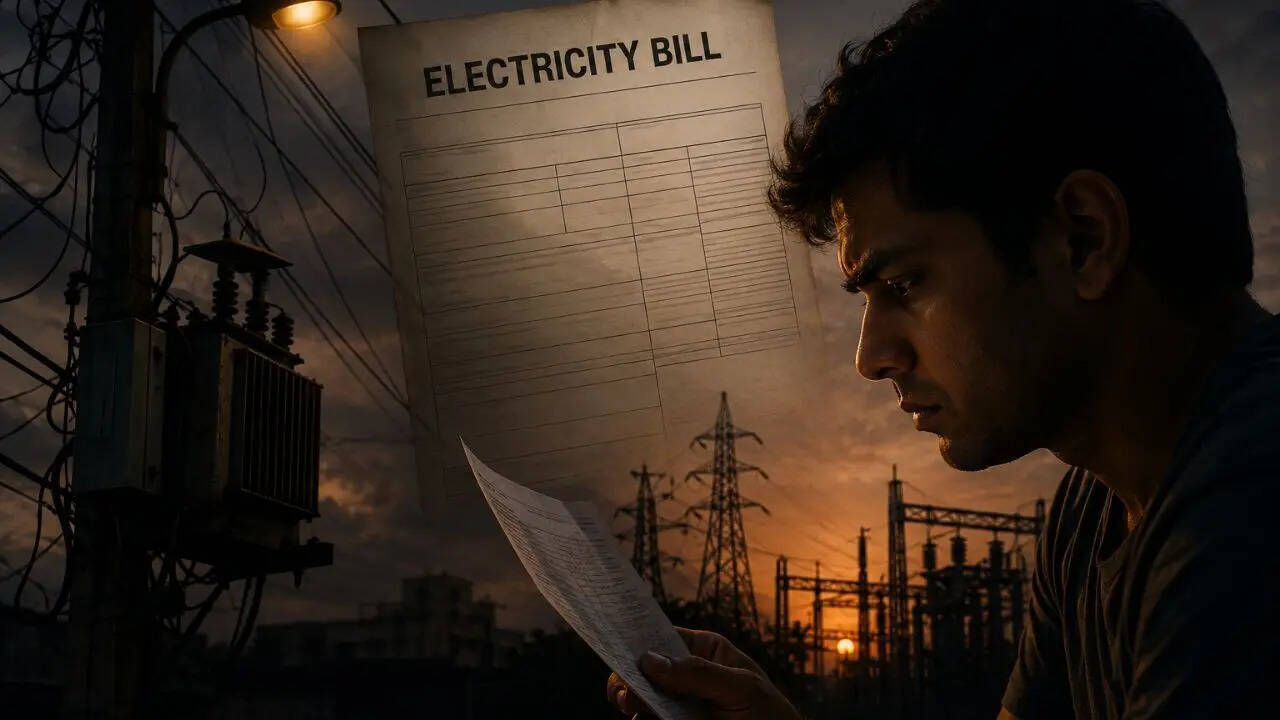
Delhi's electricity regulator DERC has approved increased Power Purchase Adjustment Charges (PPAC) for distribution companies, raising bills for consumers in south, east, and central Delhi from July 2026. The hike follows a sharp rise in power procurement costs in April 2026, driven by higher summer demand and elevated fuel prices. The change also marks a structural shift from quarterly to monthly PPAC revisions, making electricity bills more responsive to real-time cost fluctuations.
The Delhi Electricity Regulatory Commission (DERC) has approved revised PPAC rates for April 2026, effective from June 10, with consumers paying higher bills from July. BSES Yamuna (BYPL), serving east and central Delhi, sees its PPAC rise from 11.7% to 17.43%, while BSES Rajdhani (BRPL) in south and west Delhi increases from 14.5% to 17.94%; Tata Power (TPDDL) sees a negligible change from 15.99% to 16%. For a household consuming 400 units monthly, this translates to roughly ₹92 more in BYPL areas and ₹56 more in BRPL areas, while 600-unit consumers face increases of ₹170 and ₹102 respectively. Notably, DERC approved only partial recovery — BRPL had sought 31.55% and BYPL 35.26% — leaving significant unrecovered amounts to be carried forward under a new 'Component F' mechanism starting July 2026. Delhi has approximately 75.1 lakh electricity connections, dominated by 63.4 lakh domestic consumers, most of whom on lower consumption tiers are shielded by the government's subsidy scheme, which is linked to units consumed rather than final bill amounts. The shift to monthly PPAC revisions, already practiced in over 25 states, is intended to prevent cash-flow pressure on discoms and reduce the accumulation of large deferred costs.
Data: Times of India
What's missing
The articles do not clarify what consumer recourse or appeal process exists if discoms submit inaccurate supporting documents to DERC.
How coverage differed
Both outlets reported the same core facts, but NDTV provided significantly more structural detail — including what discoms originally requested versus what was approved, the unrecovered gap, the new 'Component F' mechanism, and expert concerns about regulatory oversight — while Times of India focused more narrowly on the consumer-facing bill impact.
What different sources said
- NDTVCenter
Explained: Why Some In Delhi May Have To Pay Higher Electricity Bills From June
- Times of IndiaCenter
Delhiites to pay more for power from next month
Related

SpaceX IPO Makes Elon Musk World's First Trillionaire as Shares Surge 19% on Debut
SpaceX shares closed up 19% on their first trading day, pushing Elon Musk's net worth to approximately $1.11 trillion and making him the first individual in history to cross the trillion-dollar threshold. The company raised $75 billion at an IPO price of $135 per share, with shares closing near $161, giving SpaceX a market capitalization of roughly $2.1 trillion despite the company reporting a net loss of $4.94 billion in 2025. The milestone has drawn both investor enthusiasm and sharp criticism over Musk's social media conduct and concerns that the IPO's structure exploits passive index fund mechanics to extract wealth from ordinary retirement savers.

SEC Proposes Repealing Rule 611 and Rule 610(e) of Regulation NMS
The Securities and Exchange Commission proposed on June 11, 2026, to rescind Rule 611 and Rule 610(e) of Regulation NMS, which govern trade-through protections and locking/crossing quotations in equity markets. Rule 611, in place for roughly two decades, requires trades to be executed at the best available price across exchanges. The proposal could reshape equity market structure and has implications for emerging areas such as tokenized stocks.
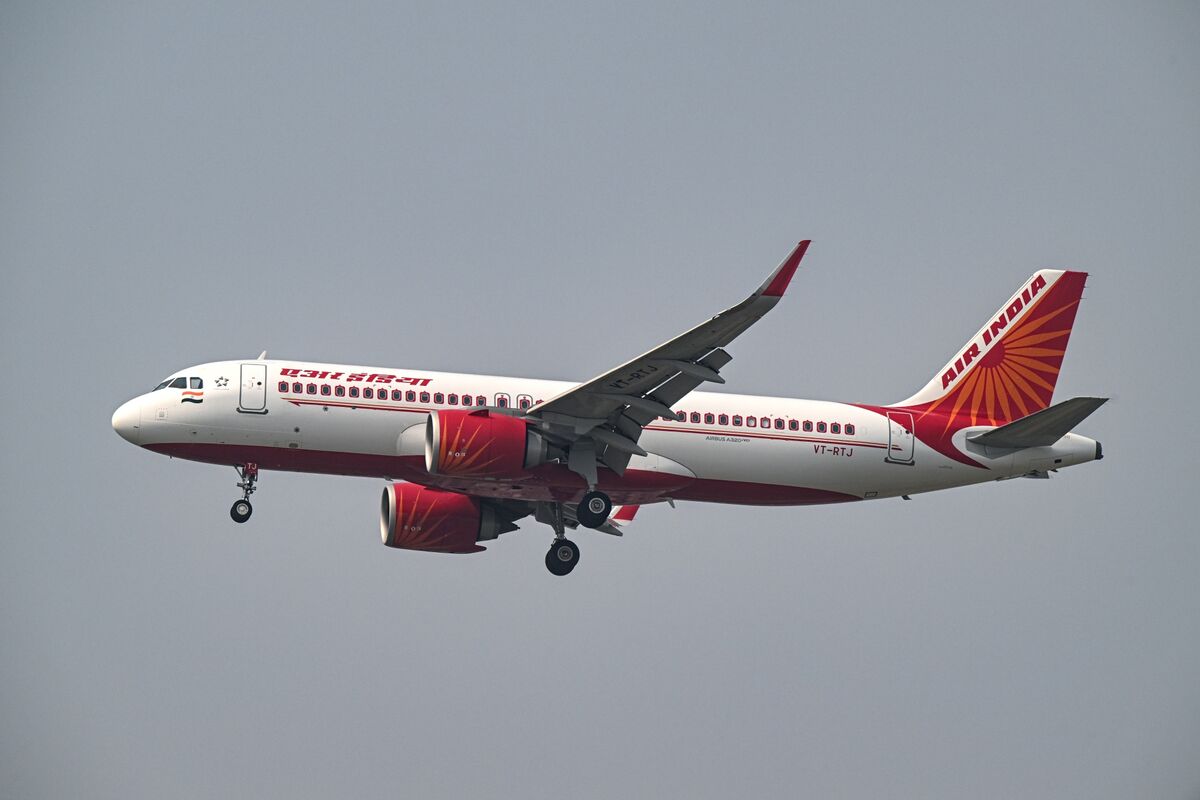
Air India to Cut Flights and Defer Aircraft Orders as Tata Group Pushes to Reduce Losses
Air India is planning to downsize operations by deferring aircraft deliveries, cutting flights, and postponing expansion plans. The move comes after majority owner Tata Group directed the airline to prioritize reducing its record losses. The decision signals a significant strategic pullback for one of India's most prominent carriers following its privatization.